
Mandala art, originating from ancient spiritual and cultural traditions, holds profound significance as a symbol of unity, harmony, and cosmic order. The word "mandala" is derived from Sanskrit, meaning "circle," and represents the universe, wholeness, and interconnectedness. These intricate geometric patterns, often arranged symmetrically within a circular framework, serve as meditation aids and spiritual tools in various religious practices, including Hinduism, Buddhism, and Tibetan spirituality. Mandalas are meticulously created using a wide range of materials, from colored sand in Tibetan sand mandalas to ink and paint in contemporary art forms. The process of crafting mandalas is considered a sacred practice, reflecting the artist's inner journey and quest for enlightenment. Through repetitive patterns and intricate designs, mandala art invites contemplation, mindfulness, and self-reflection, leading viewers on a journey of inner exploration and transformation.
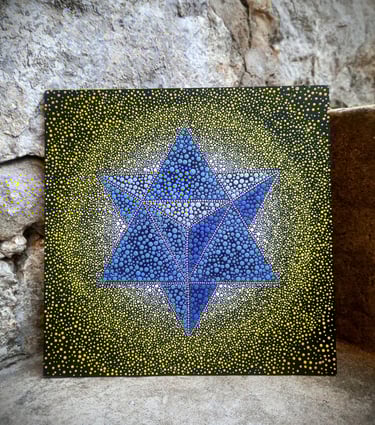
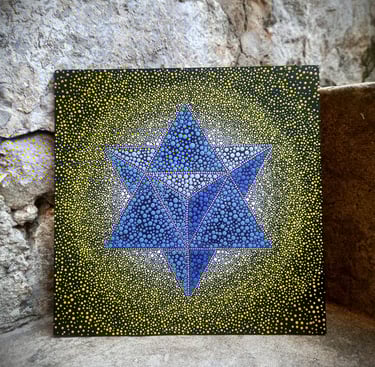
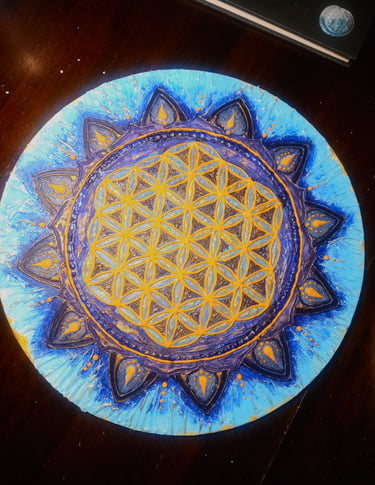
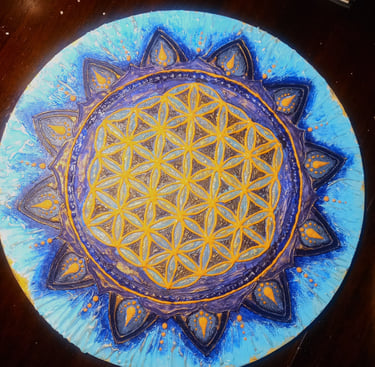
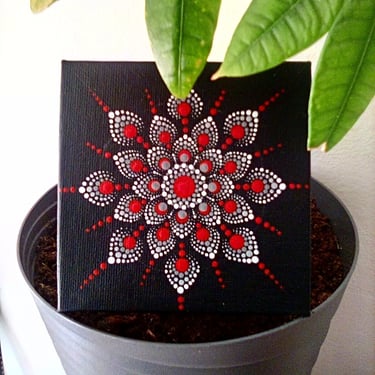
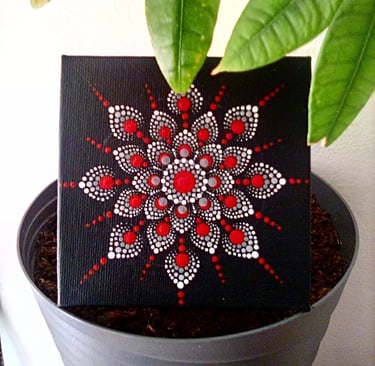

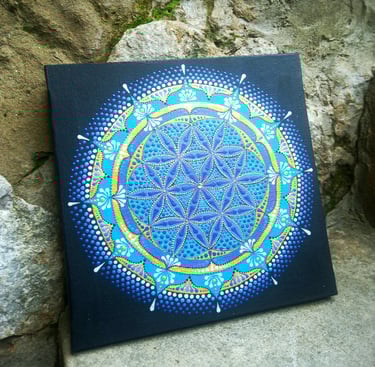
Beyond their spiritual significance, mandalas have also found expression in therapeutic settings, where they are used as tools for relaxation, stress reduction, and healing. The symmetrical and harmonious nature of mandalas is believed to promote a sense of balance, tranquility, and well-being. As a form of artistic expression, mandala art continues to evolve and adapt, transcending cultural boundaries and inspiring creativity in artists around the world. In contemporary contexts, mandalas are celebrated for their aesthetic beauty, intricate detailing, and timeless symbolism, serving as focal points in home decor, fashion, and personal adornment. Whether created as a spiritual practice, therapeutic tool, or artistic endeavor, mandala art remains a powerful symbol of unity, wholeness, and interconnectedness in an ever-changing world.
Mandalas
info.vilehr@gmail.com
Subscribe to our newsletter
+385 959034674


VILe © All Rights Reserved
Web Design by VS